
Articles

Publications

Four Narratives and Counter-Narratives: Why the Support Program for Karabakh Armenians Should Continue

Starting April 1, 2025, the Armenian government is reducing financial support allocated for the living expenses of Nagorno-Karabakh Armenians. Around 53,000 people will no longer receive assistance. Others will receive 40,000 AMD per month (instead of the previous 50,000), and from June to December, the amount will drop further to 30,000 AMD. This support program […]
Read More
Publications

Armenian-Iranian drills send strategic signal amid regional volatility

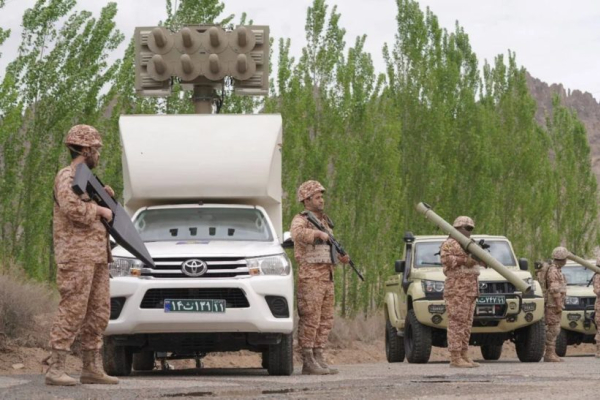
On April 9–10, 2025, Armenia and Iran conducted what appears to be their first-ever joint military exercise along their shared 44-kilometer border. Billed as a counter-terrorism drill, the maneuver simulated attacks by fictional armed groups on border checkpoints, with each side operating strictly within its own territory. While limited in scale and largely symbolic, the […]

Read More
Publications

Armenia–India Defense Cooperation: Outlines of a New Strategic Direction

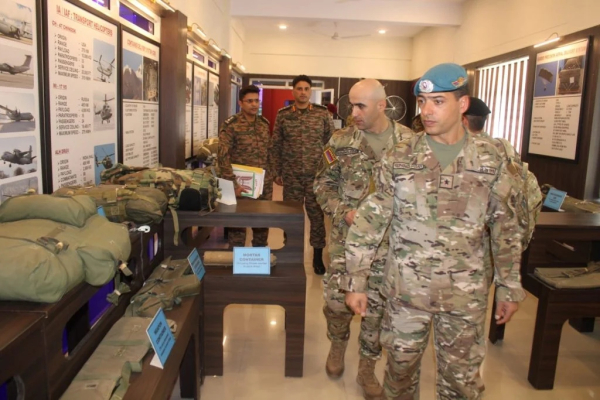
On March 19, the Indian press reported on a visit by an Armenian military delegation and negotiations with the command of the High Altitude Warfare School (HAWS), also known as the School of Mountain Warfare. One of the key highlights of the visit was a familiarization tour of the 50th Shatrujeet Parachute Brigade, where, in […]

Read More
Publications

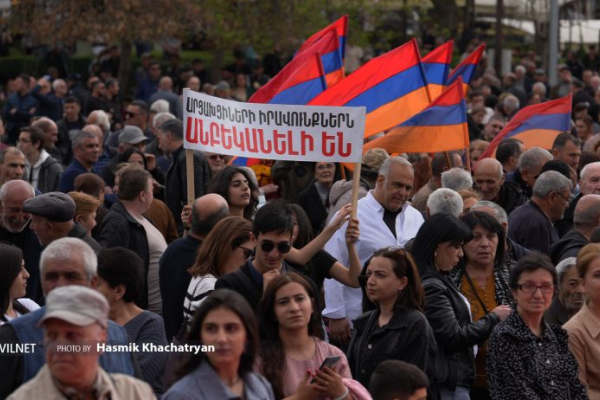
Supporting Nagorno-Karabakh Refugees: A Government Duty, Not a Gesture of Goodwill

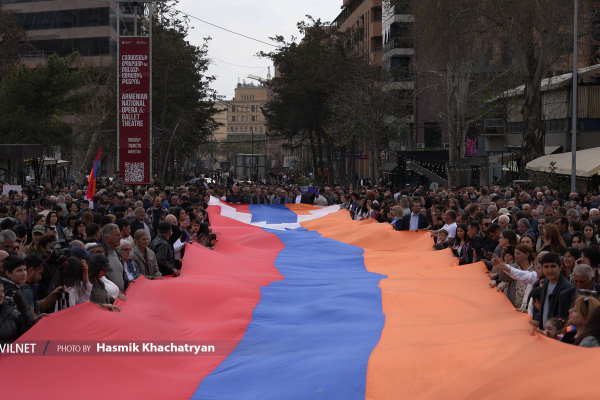
On March 29, a rally took place at Freedom Square in Yerevan to defend the rights of forcibly displaced Armenians from Nagorno-Karabakh. Although numerous issues were raised during the gathering, it was evident that the primary reason and catalyst for the rally was the government’s decision to discontinue the monthly 40,000+10,000 AMD support program for most Nagorno-Karabakh […]

Read More
Publications

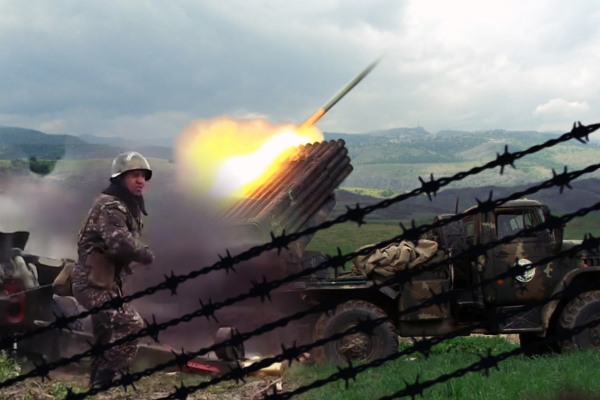
From Setbacks in 2016 to Disaster in 2020: Armenia’s Missed Lessons

The April 2016 clashes were the most intense military confrontation since the 1994 ceasefire. Although active fighting lasted only four days, it served as a kind of “trial of strength” before a larger-scale conflict. The clashes demonstrated a new level of armed confrontation and, in many ways, foreshadowed the course of the 2020 war. The […]

Read More
Publications

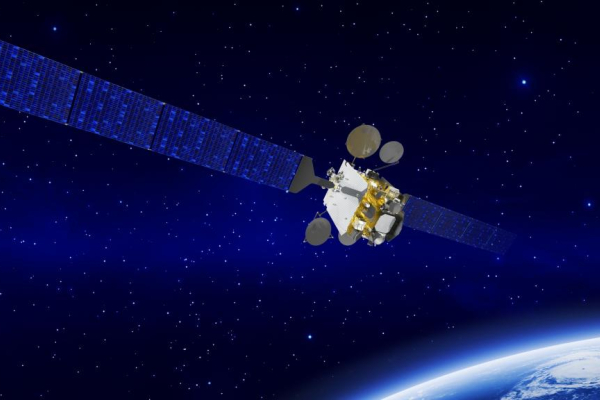
France’s Satellite Capabilities: A New Frontier for Defense Cooperation with Armenia?

French Defense Minister Sébastien Lecornu recently stated that France is providing Ukraine with intelligence that can be used for military purposes. According to him, French intelligence operates independently and has its own intelligence-gathering capabilities. France and Ukraine have signed an agreement to ensure intelligence sharing in case the United States limits or completely halts its […]

Read More
Publications

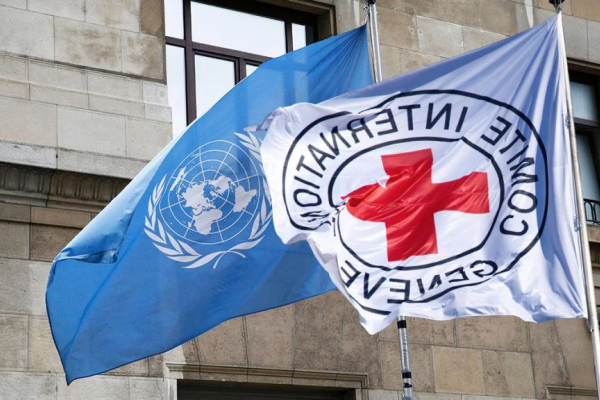
Azerbaijan’s Tightening Grip: Expelling International Organizations and Silencing Media

Recently, the Azerbaijani authorities have made several decisions that effectively limit the presence of international organizations and independent media in the country. Official Baku has decided to close four UN offices, including the United Nations Development Programme (UNDP), the United Nations Population Fund (UNFPA), the United Nations High Commissioner for Refugees (UNHCR), and the United […]

Read More
Publications

Anti-Karabakh Rhetoric in the Public Sphere and Politics: Causes and Ways to Counter It

The History of Intolerance in Armenian Society Intolerance between different segments of Armenian society has a long history. Large population shifts in the past century have been accompanied by similar, and often even harsher, problems to those now faced by the forcibly displaced Artsakh Armenians. A key issue has been, and remains, the targeting of […]

Read More
Publications

Russia-Azerbaijan Tensions: A Temporary Rift or a Long-Term Shift?

In recent months, tensions between Azerbaijan and Russia have been on the rise, marked by a growing wave of anti-Russian sentiment in Azerbaijani media and political circles. This is reflected in criticism of Russian policies and accusations of interference in Azerbaijan’s internal affairs. The reason for Azerbaijan’s grievances against Russia is Moscow’s refusal to comply […]

Read More